Haile Selassie I
ቀዳማዊ ኃይለ ሥላሴ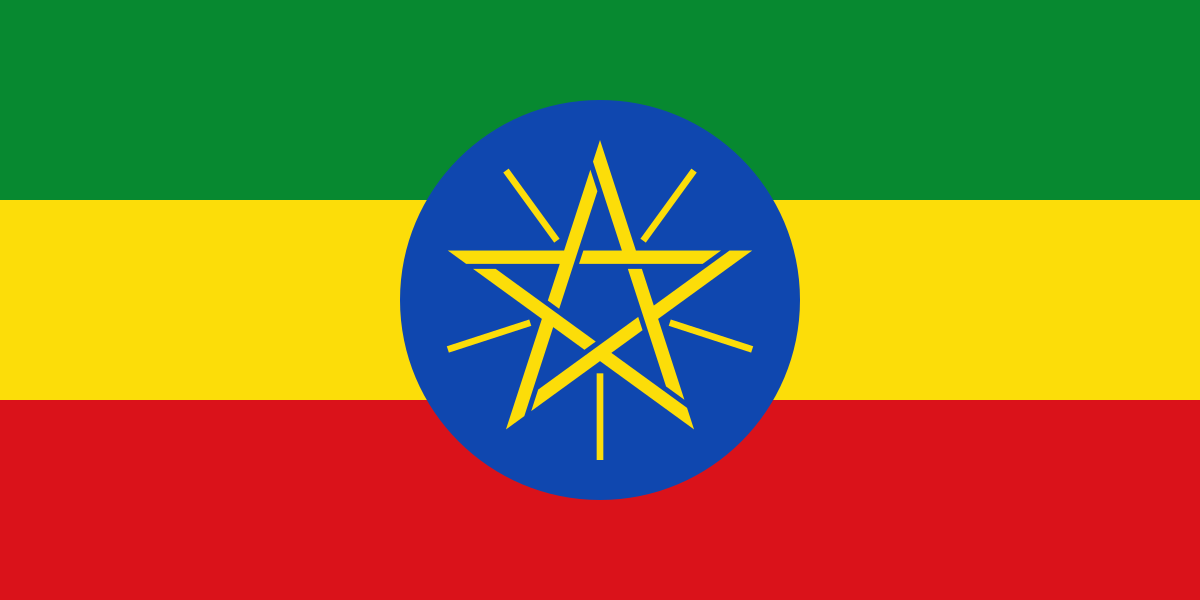 1892–1975
✕ Murdered by the Derg after deposition
1892–1975
✕ Murdered by the Derg after deposition
Moderniser and anti-fascist icon who never touched the land order that finally undid his dynasty
In 1936 he told the League of Nations, 'God and history will remember your judgment.'
Descended from the Solomonic dynasty, Haile Selassie I was the 20th-century emperor who modernised Ethiopia and, with his 1936 speech to the League of Nations, became a global symbol of anti-fascism. From his regency he drove reform through the 1931 constitution and the abolition of slavery, and after exile under Italian occupation he returned with British forces in 1941 to restore the throne. But his modernisation, which left the northern rist and gult tenures and the southern land-grant system intact through compromise with the nobility and clergy, never freed the peasantry from tenancy, and the 1972 Wollo famine turned opinion against him. Deposed by the Derg in September 1974, he was strangled on the junta's orders the following August, months after the proclamation that nationalised the land system his reign had preserved.
Career timeline
- 1916Regent Plenipotentiary and heir apparent, de facto ruler
- 1917Crowned Le'ul-Ras (duke)
- 1928Crowned Negus (king)
- 1930Crowned Emperor (Negusa Nagast)
- 1936–1941Exiled in Britain during the Italian occupation
- 1941Returned and restored the imperial throne
- 1963Presided over the OAU's founding, first chairman
- 1974Deposed by the Derg in September