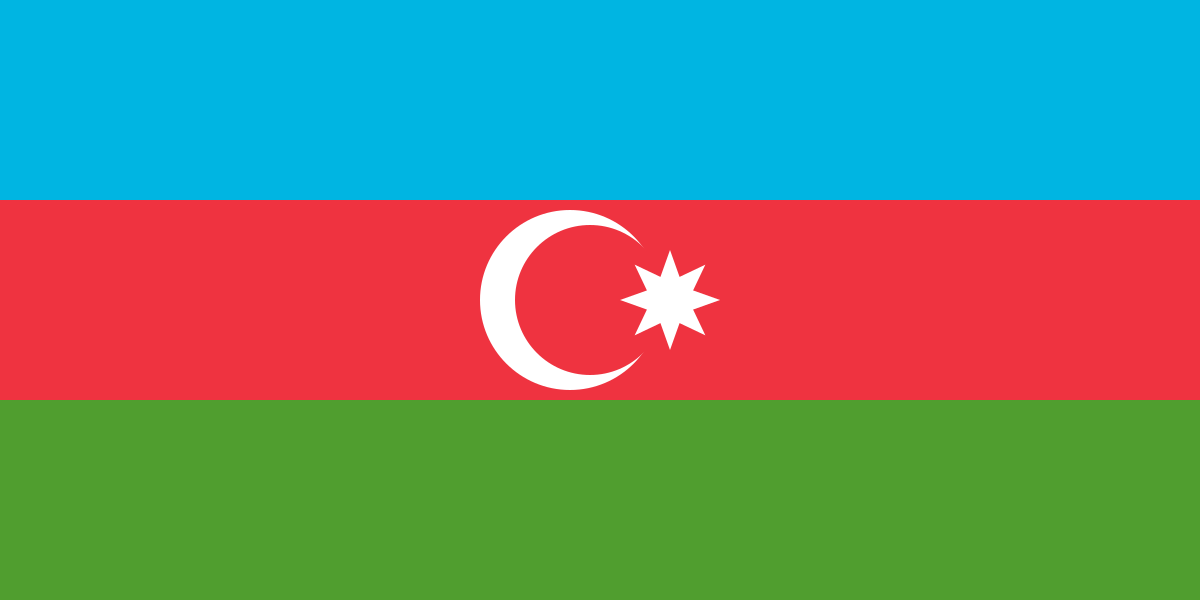
KGB에서 크렘린까지 오른 아제르바이잔의 실용주의자
KGB 제1부의장 표도르 보브코프가 "3년 동안 무엇을 해냈습니까?"라고 묻자 알리예프는 이렇게 답했다. "제가 장담할 수 있는 것은 단 하나, 아제르바이잔 공산당 중앙위원회에서는 뇌물을 받지 않는다는 것입니다."
소련 국가보안기관에서 28년간 복무한 아제르바이잔인으로, KGB 의장을 거쳐 1969년 아제르바이잔 공산당 중앙위원회 제1서기가 되었다. 브레즈네프 시기 동안 공화국 경제를 급성장시키고 포도·석유·면화 생산을 대폭 확대했으며, 1982년에는 비슬라브인으로서는 드물게 소련 각료회의 제1부의장 겸 정치국 정위원에 올랐다. 1993년 독립 아제르바이잔의 대통령으로 취임하여 '세기의 계약'으로 불리는 대규모 카스피해 석유 개발 협정을 체결하고, 취약한 신생국을 안정시켜 건국의 아버지로 평가받는다.
주요 활동과 소속
- 1969–1982 정치·당 지도 · 소련
경력 연표
- 1944–1967아제르바이잔 SSR 국가보안위원회(KGB) 요원·간부, 방첩부장·부의장 역임
- 1967–1969아제르바이잔 SSR 각료회의 산하 KGB 의장 (소장)
- 1969–1982아제르바이잔 공산당 중앙위원회 제1서기
- 1976–1982CPSU 중앙위원회 정치국 후보위원 → 정위원 (1982)
- 1982–1987소련 각료회의 제1부의장 (기계·경공업·운송·문화·교육 담당)
- 1993–2003아제르바이잔 공화국 제3대 대통령
소련 정치국
- 후보위원 1976.03–1982.11
- 정위원 1982.11–1987.10
1987.10 해임
관련 역사 사건
'세기의 계약'과 카스피해 석유 전략
1993년 알리예프가 대통령에 취임했을 때 아제르바이잔은 나고르노-카라바흐 전쟁의 패배와 경제 붕괴로 존립 자체가 위태로운 신생 독립국이었다. 알리예프는 바쿠 유전이 19세기 말 세계 석유 산업의 발상지였다는 역사적 유산에 주목하고, 카스피해 석유 자원을 서방 자본과 기술에 개방하는 '신석유전략'을 추진했다. 1994년 9월 20일, 아제르바이잔 정부는 BP·아모코·유노칼·스타토일·루크오일 등 7개국 11개 국제 석유회사로 구성된 컨소시엄과 아제리-치라그-구나슐리(ACG) 유전의 공동 개발 및 생산물 분배 협정을 체결했다. 알리예프가 '세기의 계약'이라 명명한 이 74억 달러 규모의 협정은 구소련 공간에서 서방 자본이 참여한 최대 규모의 에너지 계약이었으며, 아제르바이잔 의회 비준을 거쳐 헌법적 효력을 갖는 법률로 확정되었다.
이 협정은 단순한 석유 채굴 계약을 넘어 아제르바이잔의 지정학적 독립을 담보하는 수단이었다. 알리예프는 러시아를 우회하는 수출 경로를 확보하기 위해 그루지야 및 튀르키예와 협력하여 바쿠-트빌리시-제이한(BTC) 송유관 건설을 추진했고, 이는 훗날 남부 가스 회랑으로 이어지는 '동서 에너지 회랑'의 출발점이 되었다. 1999년에는 석유 수입을 사회·경제 개발에 투명하게 사용하기 위한 국가석유기금(SOFAZ)을 설립했다. ACG 유전은 2017년 계약이 2049년까지 연장되었으며, 알리예프의 '세기의 계약'은 자원을 매개로 한 포스트소비에트 국가건설의 대표적 사례로 평가된다.