중화인민공화국 수립
1949년의 공산당은 내전의 승리를 어떤 국가로 만들었고, 그 국가는 무엇을 약속하고 무엇을 남겨 두었는가?
1949년 3월 시바이포의 7기 2중전회는 당 사업의 중심을 도시로 옮기고 신민주주의 국가의 경제·정치 방침을 정했다. 마오는 「인민민주독재를 논함」에서 소련 쪽으로 기우는 외교와 네 계급의 인민민주독재를 내걸었고, 9월 정치협상회의는 공동강령을 채택해 중앙인민정부를 뽑았다. 10월 1일 마오가 톈안먼에서 중앙인민정부의 성립을 알렸고, 새 국가는 승인 경쟁과 모스크바의 조약 협상, 인플레이션과의 싸움, 신장·티베트 편입을 거쳐 1950년 상반기에 기틀을 갖추었다. 국민당 정부는 타이완으로 옮겨 경쟁 정부로 남았다.
1949년 봄: 승리의 윤곽과 두 개의 정부
1945년 일본이 패전한 뒤 국민당과 공산당은 국가와 군대를 하나로 합치는 데 합의하지 못했다. 미국의 중재도 전면 내전을 막지 못했고, 전쟁은 군사력만이 아니라 농촌을 동원하고 도시 경제를 운영하는 능력을 겨루는 싸움이 되었다. 국민당 정부는 장기전의 부담과 부패, 인플레이션으로 지지를 잃었고, 공산당은 근거지 행정과 토지 정책, 군사 조직을 바탕으로 세력을 넓혔다. 1948년 가을부터 1949년 초까지 이어진 랴오선·화이하이·핑진의 세 전역에서 국민당 주력이 무너지자, 문제는 누가 이기느냐에서 이긴 쪽이 어떤 국가를 세우느냐로 옮겨 갔다. 1 2
1949년 1월 31일 베이핑(北平)이 싸움 없이 공산당 손에 넘어갔다. 그 전날 소련 공산당 정치국원 아나스타스 미코얀이 허베이성 시바이포의 공산당 중앙 소재지에 도착했다. 스탈린의 비밀 사절로 온 그는 마오쩌둥과 여러 차례 몇 시간씩 이어진 회담을 가졌고, 이 방문이 내전 승리 뒤 중소 관계의 바탕을 놓았다. 같은 날 국민정부는 수도 난징을 버리고 광저우로 옮겼다. 1948년부터 공산당 중앙의 수석 고문으로 중국에 와 있던 소련의 철도 전문가 이반 코발료프는 소련 군사 전문가들을 이끌며 양쪽을 잇는 통로가 되었다. 3 4
도시의 점령은 주변 농촌과 보급로에 대한 오랜 통제 위에 서 있었다. 4월 21일 마오와 주더는 「전국 진군 명령」을 내렸고 해방군은 창장을 건너 4월 23일 난징, 5월 27일 상하이를 차지했으며 이어 광저우·충칭·청두가 함락되었다. 장제스와 국민당 지도부는 1949년 12월 7일 타이완으로 옮겨 중화민국 정부를 유지했다. 그래서 1949년은 대륙의 권력 구조를 바꾸었지만 누가 중국을 대표하는가, 어디까지가 그 영토인가를 둘러싼 국제적 분쟁까지 끝낸 해는 아니었다. 새 국가는 이 미완의 내전과 함께 태어났다. 1 5 6
시바이포의 7기 2중전회: 농촌에서 도시로
1949년 3월 5일부터 13일까지 허베이성 젠핑현(지금의 핑산현) 시바이포에서 중국공산당 제7기 중앙위원회 제2차 전체회의가 열렸다. 중앙위원 34명과 후보 중앙위원 19명이 참석했고, 교통 사정 등으로 20명이 오지 못했다. 마오가 회의를 주재하고 보고했으며, 전회는 1945년 7기 1중전회 이래 정치국의 지도가 옳았다고 승인하고 랴오청즈·왕자샹·천보다·황커청을 중앙위원으로 올렸다. 또 공산당이 발기해 민주당파·인민단체·민주 인사와 함께 「반동분자」가 빠진 새 정치협상회의를 열고 민주연합정부를 세운다는 제안을 승인했다. 7
마오의 보고는 승리 뒤의 국가를 미리 그렸다. 그는 “당의 사업의 중심은 농촌에서 도시로 옮겨졌다”고 선언하고, 관료자본을 몰수해 국영 경제가 나라의 경제 명맥을 쥐게 한다고 했다. 새 경제는 사회주의 성격의 국영 경제, 반(半)사회주의 성격의 합작사 경제, 사적 자본주의, 개체 경제, 국가와 사적 자본이 함께 운영하는 국가자본주의가 이루는 신민주주의 경제 구조가 될 것이었다. 보고는 나라를 농업국에서 공업국으로, 신민주주의 사회에서 사회주의 사회로 바꾸어 나가는 방향을 함께 내걸었다. 8
민족자본에 대한 방침은 이중적이었다. 마오는 사적 자본주의 공업이 무시할 수 없는 힘이므로 너무 많이, 너무 경직되게 제한해서는 안 되며 인민공화국의 경제 정책과 계획의 틀 안에서 존재하고 발전할 여지를 남겨야 한다고 했다. 동시에 자본주의는 경영 범위·세금·시장 가격·노동 조건에서 여러 방향으로 제한될 것이라고 못 박았다. 그는 “제한과 제한에 대한 반대가 신민주주의 국가에서 계급투쟁의 주요 형태가 될 것”이라고 내다보았고, 제한이 필요 없다는 견해는 우경 기회주의로, 사적 자본을 아주 빨리 없앨 수 있다는 견해는 「좌경」 모험주의로 함께 비판했다. 8
보고의 끝은 당 자신에 대한 경고였다. 마오는 적의 총에는 굴복하지 않던 공산당원이 부르주아지의 「사탕 바른 총알」에는 질 수 있다고 했고, “전국의 승리를 얻는 것은 만 리 장정의 첫걸음일 뿐”이라며 겸손하고 신중하며 교만과 성급함을 버리고 소박한 생활과 고된 투쟁의 기풍을 지키라고 당부했다. 전회는 그의 제안에 따라 당 지도자의 생일 축하를 금지하고 지도자의 이름을 지명에 쓰지 못하게 했으며, 군기에 관한 결의도 채택했다. 마오의 결론 보고는 「당위원회의 공작 방법」 12조로 정리되었다. 3월 하순 중앙 기관은 시바이포를 떠나 베이핑으로 옮겼다. 8 7 9
 베이핑의 여름: 일변도와 「인민민주독재를 논함」
4월 1일부터 베이핑에서 리쭝런의 대리 총통 정부가 보낸 장즈중의 대표단과 저우언라이가 이끄는 공산당 대표단이 화평 협상을 벌였다. 난징 정부가 4월 20일 「국내 화평 협정」 서명을 거부하자 해방군은 이튿날 창장을 건넜다. 그러나 장즈중을 비롯한 국민당 대표단원들은 남쪽으로 돌아가지 않고 베이핑에 남아 새 정권에 합류했다. 저우의 지하 조직이 장즈중의 가족을 베이핑으로 데려온 것이 그를 설득하는 데 한몫했다. 이렇게 국민당 쪽 인사를 흡수하는 일은 「연합정부」의 모양을 갖추는 작업의 일부였다. 10 5
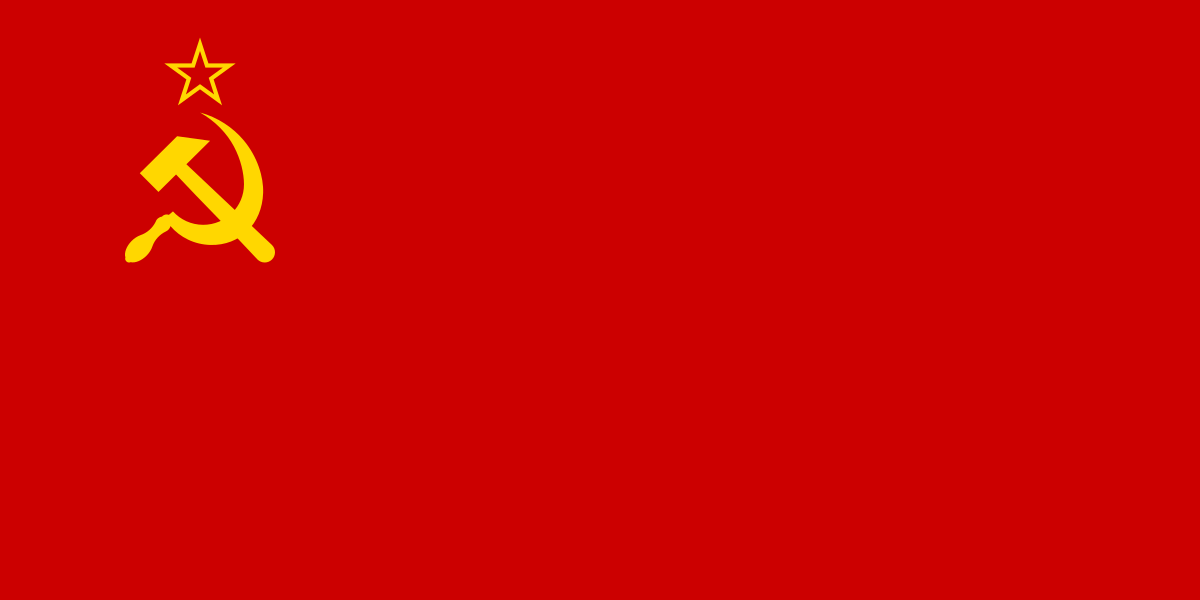
6월부터 8월까지 류사오치는 가오강·왕자샹과 함께 비밀 대표단을 이끌고 소련을 찾았다. 스탈린은 중국에 3억 달러를 빌려주고 소련 전문가를 보내기로 했다. 류는 새 정부가 국민당이 맺은 외국 조약을 어떻게 다룰지 설명했고, 뤼순(旅順) 문제, 몽골 독립, 소련군의 둥베이 기계 반출 문제에서 공산당이 국내의 비판에 맞서 소련의 입장을 변호해 왔다고 밝혔다. 그러나 스탈린은 1945년 중소 우호동맹조약을 새로 맺는 문제는 마오의 방문 때로 미루었다. 새 국가의 대외 노선은 건국 전에 이미 모스크바와의 협상 속에서 짜이고 있었다. 11 12
당 창건 28주년을 맞아 1949년 6월 30일 발표된 「인민민주독재를 논함」은 새 국가의 이론적 설계도였다. 마오는 쑨원의 40년과 공산당의 28년 경험이 “한쪽으로 기울어야 한다”는 것을 가르쳐 주었다며, 중국인은 예외 없이 제국주의 쪽이든 사회주의 쪽이든 어느 한쪽에 서야 하고 “담장 위에 앉아 있는 것은 안 되며 제3의 길도 없다”고 썼다. 소련·인민민주주의 국가들·각국 프롤레타리아트와 연합하는 「국제 통일전선」이 대외 노선이 되었고, 이 「일변도(一邊倒)」는 반년 뒤 모스크바 조약으로 굳어졌다. 13 14
글의 다른 축은 국가 형태였다. 마오는 지금 단계의 인민을 노동자계급, 농민계급, 도시 소자산계급, 민족자산계급으로 규정하고, 인민 안에서는 언론·집회·결사의 자유와 선거권을 보장하되 반동파에게서는 말할 권리를 빼앗는다고 했다. “인민에게는 민주, 반동파에게는 독재, 이 두 측면의 결합이 인민민주독재”라는 것이다. 민족자산계급은 동맹자이지만 그 경제적 지위의 약점 때문에 혁명의 지도자가 될 수 없고 국가권력에서 주된 역할을 맡아서도 안 된다고 했다. 국가권력의 소멸을 바라느냐는 물음에는 “바란다, 그러나 지금은 아니다”라고 답했다. 13
미국과의 관계는 여름 동안 더 굳게 닫혔다. 8월 미 국무부는 내전의 결과는 미국이 통제할 수 없었다는 「중국 백서」를 냈고, 마오는 8월 14일 「환상을 버리고 투쟁을 준비하라」를 시작으로 백서를 반박하는 글을 잇달아 썼다. 트루먼 행정부는 중국을 「잃었다」는 국내의 비난에서 벗어나지 못했고, 타이완에 남은 국민당 정부의 존재는 미국 반공주의자들에게 결과를 뒤집을 수 있다는 기대를 주었다. 새 정부가 서방과 대등한 관계를 맺을 여지는 건국 전에 이미 좁아져 있었다. 15 16
신정치협상회의와 공동강령
새 정치협상회의는 공산당이 1948년 5월 1일 전국에 제안한 것이었다. 1946년 1월 충칭의 정치협상회의와 구별해 「신(新)」을 붙였다. 1949년 6월 15일 베이핑에서 준비회의가 열렸고, 마오는 개막 연설에서 이 회의의 임무는 민주연합정부를 세워 국민당 반동 세력의 잔재를 없애고 나라를 하루빨리 통일하며 정치·경제·문화와 국방의 건설을 차례로 해 나가는 것이라고 했다. 준비회의는 마오를 주임으로 하는 상무위원회를 뽑았다. 6월 21일 국호를 논의할 때 장시뤄가 「중화인민공화국」을 제안했고, 화교 기업가 천자겅은 옛 국호 「중화민국」을 잇는 데 강하게 반대해 옛 정권과의 단절을 요구했다. 17 18 19
중국인민정치협상회의 제1차 전체회의는 9월 21일부터 30일까지 중난하이 화이런탕에서 열렸다. 대표는 662명으로 정당 대표 165명, 지역 대표 116명, 인민해방군 대표 71명, 단체 대표 235명, 특별 초청 75명이었다. 공산당 밖에서는 쑹칭링, 국민당혁명위원회의 리지선, 중국민주동맹의 장란, 황옌페이, 선쥔루 같은 인사들이 참여했다. 9월 21일 마오는 개막사에서 인류의 4분의 1을 차지하는 중국 인민이 “이제 일어섰다”고, “우리는 더 이상 모욕당하는 민족이 아닐 것”이라고 말했다. 흔히 10월 1일 톈안먼의 말로 알려진 이 구절은 실제로는 이날 정치협상회의 개막사에 있다. 20 21 22 23 24 25
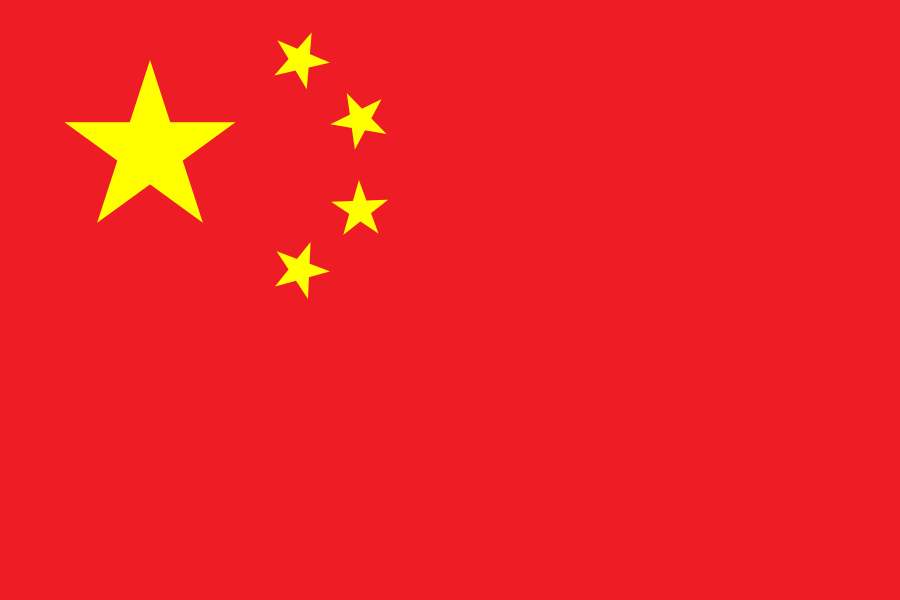
9월 27일 회의는 「중국인민정치협상회의 조직법」과 「중화인민공화국 중앙인민정부 조직법」을 통과시키고, 수도를 베이핑에 두어 베이징으로 이름을 바꾸며 서력 기원을 쓰고, 「의용군 행진곡」을 대리 국가로, 오성홍기를 국기로 정했다. 「의용군 행진곡」은 톈한이 1934년 가사를 쓰고 녜얼이 곡을 붙인 항일 영화 주제가였다. 상하이에서 일하던 저장성 원저우 출신 쩡롄쑹이 낸 국기 도안의 큰 별은 공산당을, 작은 네 별은 「인민민주독재를 논함」이 말한 네 계급을 뜻했다. 9월 30일 회의는 인민영웅기념비의 초석을 놓았다. 20 26 27 28 29
9월 29일 채택된 공동강령은 1954년 헌법이 나올 때까지 임시 헌법 구실을 했다. 제1조는 중화인민공화국을 노동자계급이 영도하고 노농동맹을 기초로 각 민주 계급과 국내 각 민족을 단결시키는 인민민주독재를 실행하는 「신민주주의, 곧 인민민주주의 국가」로 규정했다. 제3조는 제국주의 특권의 폐지, 관료자본의 몰수, 봉건적 토지 소유의 단계적 농민 소유로의 전환을 명령하면서 노동자·농민·소자산계급·민족자산계급의 사유 재산 보호를 약속했다. 제26~31조는 국영·합작사·개체·사적 자본주의·국가자본주의 경제를 국영 경제의 영도 아래 분업·협력시키는 혼합경제를 그렸다. 중국의 한 연구자는 이 구상을 소련의 신경제정책에 견준다. 30 31 32
강령은 이것이 구상이 아니라 그날부터 작동할 통치 질서임을 분명히 했다. 제5조는 사상·언론·출판·집회·결사·신앙의 자유를, 제6조는 남녀평등과 혼인의 자유를 약속했지만 제7조는 모든 반혁명 활동의 진압과 반동분자의 정치적 권리 박탈을 명시했다. 제13조는 보통선거에 의한 전국인민대표대회가 소집되기 전까지 정치협상회의 전체회의가 그 직권을 대행하게 했고, 제11조는 소련·인민민주주의 국가들과의 연합을, 제51조는 소수민족 지역의 구역 자치를 정했다. 새 국가가 내세운 연합은 노동자·농민만이 아니라 소자산계급과 민족자산계급을 아울렀으나, 그 지도권은 공산당에 있었고 경쟁하는 정당 사이의 정권 교체를 전제로 하지 않았다. 31 32 25
10월 1일: 중앙인민정부의 출범
9월 30일 정치협상회의는 중앙인민정부위원회를 뽑았다. 마오쩌둥이 주석, 주더·류사오치·쑹칭링·리지선·장란·가오강이 부주석이 되었고, 위원 56명에는 저우언라이·펑더화이·덩샤오핑 같은 공산당 지도자와 함께 천자겅, 황옌페이, 선쥔루, 푸쭤이, 장즈중, 룽윈 같은 비공산당 인사가 들어갔다. 여섯 부주석 가운데 셋이 공산당원이 아니었다. 이 위원회는 대외적으로 국가를 대표하고 대내적으로 국가 권력을 쥐는 최고 기관으로, 1954년 9월 헌법에 따라 인민대표대회 제도가 시작될 때까지 단 한 기만 존속했다. 19 33 34
1949년 10월 1일 오후 3시, 마오는 톈안먼 성루에서 “동포 여러분, 중화인민공화국 중앙인민정부가 오늘 성립되었습니다!”라고 알렸다. 「의용군 행진곡」이 연주되는 가운데 오성홍기가 처음 게양되었고 예포가 울렸다. 마오는 국민당 반동 정부의 배반과 반혁명 전쟁, 인민해방군의 승리, 정치협상회의의 구성과 선거 결과를 담은 중앙인민정부 공고를 읽었다. 린보취가 식을 주재했다. 이어 화베이 군구 사령관 녜룽전이 지휘하고 주더 총사령관이 사열한 1만 6천여 명의 첫 열병식이 열렸다. 류보청은 붉은광장 열병식을 본 경험에 따라 소련식 편성을 제안했다. 19 35
같은 날 열린 중앙인민정부위원회 제1차 회의는 공동강령을 정부의 시정 방침으로 삼고, 린보취를 비서장으로, 저우언라이를 정무원 총리 겸 외교부장으로, 마오를 인민혁명군사위원회 주석으로, 주더를 인민해방군 총사령으로, 선쥔루를 최고인민법원장으로, 뤄룽환을 최고인민검찰서 검찰장으로 임명했다. 위원회는 각국 정부에 이 정부가 중화인민공화국 전체 인민을 대표하는 유일한 합법 정부이며 평등·호혜와 영토 주권의 상호 존중을 지키는 어떤 외국 정부와도 외교 관계를 맺을 뜻이 있다고 선언했다. 10월 19일 제3차 회의는 둥비우·천윈·궈모뤄·황옌페이를 정무원 부총리로 임명했다. 19 36 37
새 국가를 움직인 것은 당이었다. 공산당은 당시 450만 명의 당원을 거느렸고 그 90% 가까이가 농민 출신이었다. 정무원 아래에 외교·내무·재정·공업 등 여러 부와 위원회가 꾸려졌지만, 결정은 마오가 주석을 맡은 당 중앙에서 나왔다. 10년 넘는 근거지 행정 경험을 가진 규율 잡힌 지도부는 수십 년 만에 처음으로 영토 안에서 대규모 무장 저항 없이 통합과 개혁을 시작할 수 있었고, 첫해의 온건한 사회·경제 정책은 넓은 지지를 얻었다. 장제스는 중화민국 국경일 담화에서 새 정권을 「소련의 괴뢰 정권」이라 불렀다. 25 36 19
 승인과 고립: 새 국가의 국제적 자리
소련은 10월 2일 가장 먼저 중화인민공화국을 승인했다. 불가리아·루마니아·헝가리·북조선·체코슬로바키아·폴란드·몽골·동독·알바니아가 곧 뒤따랐고, 1950년 1월에는 중국과 소련이 베트남민주공화국을 승인해 두 나라 관계가 당 대 당에서 국가 대 국가로 바뀌었다. 저우언라이는 각국 정부에 중화인민공화국과 외교 관계를 맺으려면 타이완의 옛 중화민국 지도자들과 관계를 끊고 유엔의 중국 의석에 대한 인민공화국의 요구를 지지해야 한다고 통보했다. 승인은 외교 의례가 아니라 내전의 정통성 문제였다. 19 38 10
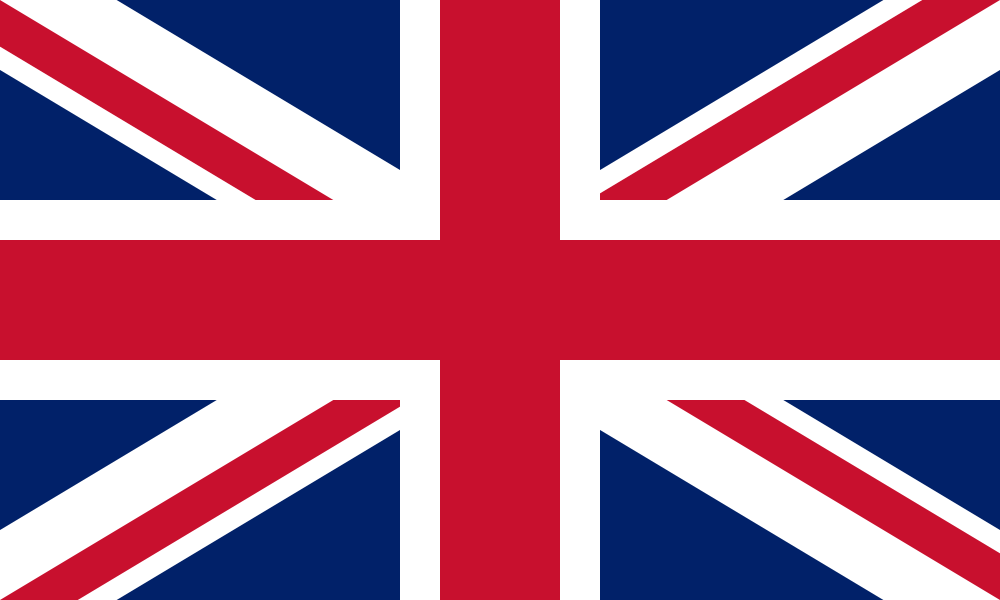
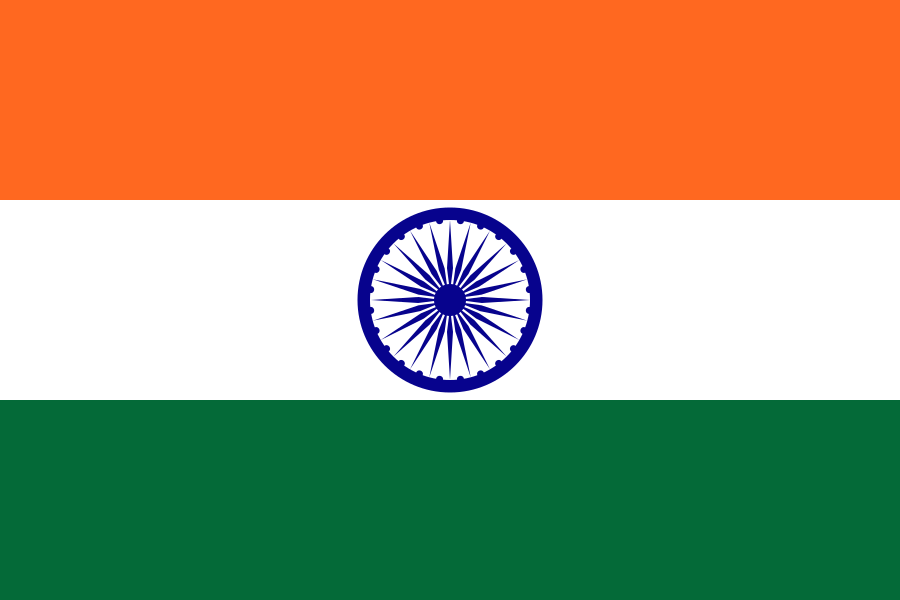
비공산 국가 가운데서는 버마가 처음이었다. 1949년 12월 16일 버마 외무장관이 저우에게 승인 의사를 전했고, 마오는 버마가 국민당과의 관계를 끊을 뜻이 있는지 확인하게 했다. 인도도 중화민국과 단교하고 인민공화국을 승인해 1950년 4월 1일 아시아의 비공산 국가로는 처음 수교했다. 영국은 1950년 1월 6일 중화민국 승인을 철회하고 곧 대사를 교환하리라 기대하며 베이징에 대리대사를 두었지만, 대사급 관계는 오랫동안 이루어지지 않았다. 영국과 인도는 1950년 티베트와 베이징 사이의 협상을 중재하기도 했다. 39 40 41 42
미국은 승인하지 않았다. 유엔의 중국 의석은 타이완의 중화민국 대표가 지켰고, 소련 대표는 인민공화국의 배제에 항의해 1950년 1월부터 8월까지 유엔을 보이콧했다. 그 결과 소련은 6월 한국에 유엔군을 보내는 결의에 거부권을 쓰지 못했다. 1950년 10월 인민지원군이 압록강을 건넌 뒤 1951년 유엔은 중국을 침략자로 규정하고 무기와 전쟁 물자의 금수를 결의했다. 인민공화국이 유엔과 안전보장이사회의 의석을 얻는 길은 1971년 총회 결의 2758호까지 막혔고, 미국은 1970년대까지 타이완의 정부를 중국의 정부로 승인했다. 43 25 15
모스크바의 두 달: 중소 우호동맹상호원조조약
마오는 12월 6일 천보다, 경호 책임자 왕둥싱, 통역 스저 등과 함께 기차로 베이징을 떠났다. 평생 두 번뿐인 외국 여행의 첫 번째였다. 12월 16일 밤 크렘린에서 스탈린을 처음 만난 마오는 경제를 전쟁 전 수준으로 되돌리고 나라를 안정시키려면 3~5년의 평화가 필요하다고 했고, 스탈린은 독일과 일본이 아직 회복 중이고 서방도 새 전쟁을 꺼리니 중국에 직접적 위협은 없으며 두 나라가 협력하면 20~25년의 평화를 보장할 수 있다고 답했다. 마오에게 가장 중요한 목표는 1945년 국민정부가 맺은 중소 우호동맹조약을 새 조약으로 바꾸는 것이었다. 14 44
스탈린은 처음에 1945년 조약을 그대로 두려 했다. 그 조약은 쿠릴 열도·남사할린·뤼순에 관한 얄타 협정의 틀 안에 있어, 한 조항이라도 바꾸면 미국과 영국에게 소련의 얄타 획득물을 문제 삼을 빌미를 준다는 것이었다. 타이완 공격을 위한 소련 공군 지원 요청도 미국의 개입을 부를 수 있다며 거절했다. 12월 21일 스탈린의 70세 생일 축하 뒤에도 거절은 이어졌고, 마오가 몇 번 연락해도 크렘린은 스탈린이 없다며 측근을 대신 내보냈다. 마오가 별장에서 사실상 방치되어 있다는 소문이 퍼지자 양쪽은 타스 통신 인터뷰로 소문을 가라앉히기로 했고, 이것이 전환점이 되었다. 1950년 1월 2일 스탈린은 조약 문제를 논의하기로 동의했다. 14
저우언라이가 이끄는 협상단이 1월 20일 모스크바에 도착했고, 22일 밤 스탈린·몰로토프·말렌코프·미코얀·비신스키와 마오·저우·리푸춘·왕자샹·천보다가 마주 앉았다. 두 나라는 1945년 조약을 새 조약으로 대체하고 소련군이 뤼순에서 철수한다는 데 합의했으나, 창춘 철도의 경영권과 중국 측 지분을 늘리는 문제에서는 스탈린이 물러서지 않았다. 1월 23일 소련 초안이 건너오자 저우는 그날 저녁 중국 초안으로 응수했다. 조약과 부속 협정, 교환 공문은 2월 14일 크렘린에서 서명되었다. 일본이나 그와 손잡은 나라의 침략을 받으면 서로 군사적 원조를 주고, 상대를 겨냥한 동맹에 들지 않으며, 기한은 30년이었다. 14 25
부속 협정에서 소련은 창춘 철도의 모든 권리와 재산을 대일 강화조약 체결 뒤, 늦어도 1952년 말까지 무상으로 넘기고 뤼순 해군 기지에서 철수하며 다롄의 재산을 돌려주기로 했다. 1950년부터 해마다 6천만 달러씩 모두 3억 달러를 연리 1%로 빌려주고 전문가를 보내기로 했다. 그 대가로 중국은 1945년 조약이 인정한 외몽골의 독립을 받아들였고, 차관은 전략 자원으로 갚아야 했다. 1954~1959년 중국은 텅스텐 광석 16만 톤, 구리 11만 톤, 안티몬 3만 톤, 고무 9만 톤을 소련에 넘겼다. 마오는 합작 회사 설립에서 소련의 가부장적 태도와 불신을 느꼈고, 스탈린은 마오가 「제2의 티토」가 될까 경계했다. 14
조약은 냉전 속에서 중국의 자리를 정했다. 소련의 원조는 새 정권의 생존을 받치고 계획경제·국영 기업의 토대를 놓았으며, 서방의 봉쇄와 400여 품목의 금수를 상쇄했다. 그러나 조건은 소련이 동유럽 나라들과 맺은 조약보다 까다로웠고, 「즉시 모든 군사적 원조」라는 표현 대신 「가능한 모든 경제적 원조」가 들어갔다. 마오는 뒤에 한국전쟁을 치른 뒤에야 소련의 신뢰를 얻어 더 많은 원조와 156개 사업이 왔다고 말했다. 모스크바에서 기다리게 된 경험과 스탈린의 대우에 대한 불만은 훗날 중소 분열의 개인적 배경이 되었다. 14 44
변경으로: 하이난·신장·티베트
공동강령 제2조는 중앙인민정부에 해방전쟁을 끝까지 수행해 중국의 모든 영토를 해방하고 통일을 완수할 책임을 지웠다. 1949년 9월 공산당은 티베트·타이완·하이난·펑후를 평화적으로든 무력으로든 편입하는 것을 최우선 과제로 정했다. 1949년 10월 진먼섬 상륙이 실패하면서 타이완 공격은 해군과 공군을 갖출 때까지 미뤄졌다. 대신 1950년 4월 16일 해방군은 섬 내륙을 장악하고 있던 하이난의 공산당 유격대와 함께 하이난섬에 상륙했고, 국민당군을 남쪽으로 몰아낸 끝에 5월 1일 승리를 선언했다. 두 달 뒤 한국전쟁이 터지고 미국 제7함대가 타이완해협에 들어오면서 타이완 문제는 장기적 대치로 굳었다. 31 42 45 14 46
신장은 둘로 나뉘어 있었다. 국민정부가 일곱 구를 신장성으로 다스렸고, 일리·타르바가타이·알타이의 세 구는 소련이 후원한 제2차 동투르키스탄 공화국 지도부의 「3구 정권」이 쥐고 있었다. 소련은 3구 지도부에 공산당과 손잡으라고 권했다. 1949년 8월 에흐메트잔 카시미 등 3구 지도자 다섯 명이 정치협상회의에 가던 길에 비행기 사고로 모두 죽었다고 소련은 발표했으나, 소련 해체 뒤 일부 전직 KGB 간부들은 그들이 모스크바에서 처형되었다고 주장해 사인은 지금도 다투어진다. 9월 25일 신장 경비총사령 타오즈웨가 국민당군 7만 명을 이끌고 공산당 쪽으로 돌아섰고, 26일 신장성 정부 주석 부르한 샤히디가 뒤따랐다. 47 48 49 50 51
펑더화이의 명령을 받은 왕전의 제1야전군 제1병단은 10월 신장으로 들어갔다. 해방군은 10월 17일 저항 없이 디화(지금의 우루무치)에 들어갔고 11월 병단 기관이 도착했으며, 12월 17일 신장성 인민정부가 세워졌다. 3구의 민족군은 12월 20일 인민해방군 제5군으로, 돌아선 국민당군은 제22병단으로 개편되었고 이들은 뒤에 대부분 신장 생산건설병단의 일부가 되었다. 정치적 수단으로 이루어진 편입이었기에 무력 저항은 작았고, 욜바르스 칸과 오스만 바투르만이 맞서다 패했다. 해방군은 1950년 봄까지 신장 대부분을 장악했다. 3구의 남은 지도자 세이피딘 아지지는 모스크바 협상에 마오의 대표단과 함께 갔다. 48 47 52 50
티베트는 청이 무너진 뒤 사실상 독립된 정체였다. 티베트 정부는 1949년 7월 라싸의 국민정부 대표부를 내쫓았고, 11월 미국·영국과 마오에게 인민공화국 군대의 침입에 「모든 수단으로」 맞서겠다는 서한을 보냈다. 마오는 1949년 12월 참도로 진격할 준비를 명령했다. 1950년 3월부터 인도 칼림퐁과 델리에서 티베트 대표단이 협상을 시도했고, 9월 위안중셴 대사는 티베트를 중국의 일부로 하고 국방과 대외 관계를 중국이 맡는다는 3개 항을 내밀었다. 티베트 쪽이 「시주와 승려」 관계를 유지하자며 망설이는 사이 10월 6~7일 해방군 제18군이 진사강을 다섯 곳에서 건넜다. 42 53
해방군은 10월 19일 국경 도시 참도를 차지했고, 캄 총독 겸 티베트군 사령관 아푀 아왕직메가 2,700명과 함께 항복했다. 사상자 수는 출처마다 크게 다르다. 참도 함락까지 해방군 114명, 티베트군 180명이 죽거나 다쳤다는 집계가 있는 반면, 1962년 장궈화는 적 5,738명을 「섬멸」했다고 썼고 오슬로 평화연구소는 비전투원을 포함해 양쪽에서 각각 약 2천 명이 죽었다고 추산한다. 인민지원군이 압록강을 건넌 것과 거의 같은 때였다. 엘살바도르가 유엔에 티베트 정부의 제소를 올렸지만 인도와 영국이 토의를 막았다. 1951년 5월 23일 베이징에서 이미 완성된 문안에 티베트 대표들이 서명한 「17조 협의」는 10월 24일 달라이 라마의 승인을 받았다. 53 42 54 55 25
물가와의 전쟁과 첫해의 국가 건설
1949년의 중국 경제는 수십 년 전쟁의 상처를 안고 있었다. 많은 광산과 공장이 부서졌고, 1945년 소련군은 둥베이 주요 공업 지대 기계의 절반쯤을 뜯어 갔다. 교통·통신·전력망은 파괴되거나 낡았고 식량 생산은 전쟁 전 최고 수준보다 30% 낮았으며, 세계사에서 손꼽히는 인플레이션이 겹쳤다. 화폐는 1948년 12월 중국인민은행이 발행하기 시작해 1949년 6월부터 「인민폐」라 불린 통일 지폐였다. 1949년 5월 천윈이 새 중앙재정경제위원회 주임이 되어 이 싸움을 이끌었다. 2 56 57
첫 싸움은 상하이의 은화였다. 5월 말 상하이 군사관제위원회는 인민폐 1원을 금원권 10만 원으로 바꾸게 하고 6월 5일부터 금원권 유통을 금지했지만, 지폐를 믿지 않는 시민과 상인들이 은화로 몰렸다. 은화 1매의 값은 5월 27일 인민폐 100원에서 6월 4일 1,100원, 7일 1,800원으로 뛰었고, 상하이 전역 뒤 13일 동안 물가 수준은 2.7배 넘게 올랐다. 시 당국이 은화를 풀어도 시장이 삼켜 버리자, 시장 천이의 보고를 받은 마오의 승인 아래 6월 10일 사복 경찰이 최대 은화 거래소인 한커우로의 상하이 증권대루를 봉쇄하고 투기상 250명을 체포했다. 마오는 이 「은원 전쟁」의 의미가 화이하이 전역 못지않다고 평가했다. 58
투기는 쌀·면사·석탄, 이른바 「두 가지 흰 것과 한 가지 검은 것」으로 옮겨 갔다. 1949년 7~10월 인민폐 발행량이 다섯 배로 늘었고, 국민당 해군이 창장 하구에 기뢰를 깔아 상하이를 봉쇄하자 쌀값은 한 달 새 네 배가 되었다. 천윈은 쌀과 면사를 얼마나 쥐느냐가 시장을 통제하는 힘이라고 보고, 11월 13일 물가 폭등을 막는 12개 조치를 기초한 뒤 전국에서 물자를 모았다. 11월 25일 상하이·톈진·베이징·선양·우한·시안이 한꺼번에 식량과 면포를 풀자 상하이의 면사 값은 하루 만에 절반으로 떨어졌고 많은 투기상과 사설 전장(錢莊)이 파산했다. 상하이 상공업계는 “6월에는 정치의 힘으로, 이번에는 경제의 힘만으로” 눌렀다고 놀랐다. 59
정부는 이어 전국의 재정·경제 관리를 통일하고, 은행을 중국인민은행 아래 국유화·집중하며, 신용을 죄고 각급 예산을 중앙의 통제 아래 두고 화폐 가치를 보증했다. 1950년 3월까지 재정 수지는 거의 균형을 이루었고 국민당 말기 이래의 악성 인플레이션은 잡혔다. 소유 구조의 변화는 느렸다. 국민당 시기에 이미 국가가 소유하던 약 3분의 1의 기업과 근대 교통 부문은 곧바로 국영 기업이 되었지만, 민간 상공업은 국영 무역 회사와 경쟁하며 계속 거래했고 1952년에도 공업 단위의 17%가 국가 체계 밖에 있었다. 건국 직후의 회복 정책은 1950년대 중반의 광범한 사회주의적 소유 전환보다 훨씬 단계적이었다. 59 2
1950년 6월 6~9일 베이징의 7기 3중전회는 마오의 서면 보고 「국가 재정경제 상황의 근본적 호전을 위해 투쟁하자」를 채택해 3년 남짓 안에 재정·경제의 근본적 호전을 이룬다는 중심 과제를 세웠다. 마오는 같은 회의의 연설 「사방으로 출격하지 말라」에서 북방 1억 6천만 인구 지역의 토지개혁은 끝났고 가을부터 3억 1천만 인구 지역에서 지주계급을 무너뜨릴 것이라고 했다. 그는 제국주의, 타이완과 티베트의 반동파, 국민당 잔당·특무·토비, 지주계급이 적인 마당에 불만을 품은 민족자산계급, 실업 지식인과 노동자, 수공업자, 곡물을 내야 하는 농민까지 한꺼번에 적으로 돌리지 말고 지지자로 바꾸라고 했다. 류사오치가 토지개혁 보고를 맡았고, 6월 28일 중앙인민정부위원회는 부농 경제를 보존하고 중농을 보호하며 지주 토지를 몰수하는 토지개혁법을 통과시켰다. 그보다 앞서 5월 1일에는 강제 결혼과 축첩을 금하고 여성에게 이혼권을 준 혼인법이 공포되었다. 60 61 62 12 25 63
토지개혁은 지주의 소유와 지대 수취를 해체하고 농민에게 토지를 나누었다. 농민의 지위와 정권의 사회적 기반을 바꾼 조치였지만 강압과 폭력을 함께 동반했다. 분배받은 땅을 가는 소농, 상호부조 조직, 뒤의 협동조합과 인민공사는 서로 다른 단계이며, 토지개혁을 곧바로 인민공사의 도입으로 서술하면 정책의 순서와 주민의 경험이 사라진다. 새 정부는 혼인·노동·교육·사법 제도를 고치는 법령을 잇달아 만들었고, 국가와 가족, 고용 관계의 권리와 의무를 다시 정하는 일은 소유의 변화만큼 중요했다. 그러나 1950년 10월 한국전쟁 참전과 함께 시작된 반혁명 진압과 사상 개조, 뒤의 삼반·오반 운동은 정치적 적으로 분류된 사람과 지식인·기업인에게 거센 압력을 가했다. 국가 건설에 참여할 기회를 넓힌 변화와 비판·독립 조직을 억누른 변화가 동시에 진행되었다. 25 2 32 64
평가: 끝난 것과 끝나지 않은 것
1949년 10월 1일의 선포가 끝맺은 것은 분명하다. 공산당이 대륙의 국가권력을 쥐었고, 공동강령은 그 권력을 임시 헌법의 형태로 고정했다. 1981년 공산당의 「역사결의」는 건국 뒤 첫 3년 동안 대륙의 토비와 국민당 잔존 무력을 쓸어내고 티베트를 「평화적으로 해방」하고 각급 인민정부를 세우고 관료자본 기업을 몰수하고 재정·경제를 통일해 물가를 안정시키고 토지개혁과 반혁명 진압, 삼반·오반 운동을 했다고 정리한다. 반세기 넘는 분열과 전쟁 끝에 하나의 중앙정부가 통화와 재정, 군대를 통일했다는 점은 비판적 연구자들도 대체로 인정하는 성과다. 65 25
끝나지 않은 것도 뚜렷했다. 내전은 휴전도 강화 조약도 없이 멈췄을 뿐이고, 1949년 12월 국민당 정부가 타이완으로 옮긴 뒤 두 정부는 모두 중국 전체의 정통 정부임을 주장했다. 신장과 티베트의 편입은 중국 정부에게는 「평화 해방」이지만, 티베트 망명 정부와 많은 위구르인에게는 「침공」과 「병합」이다. 1959년 티베트 봉기 뒤 달라이 라마는 17조 협의를 강요된 것이라며 부인했고, 3구 지도자들의 죽음을 둘러싼 의문도 풀리지 않았다. 이 지역들에 관한 수치와 명칭은 지금도 어느 쪽의 서술을 따르느냐에 따라 달라진다. 19 42 47
역사가들이 지금까지 다투는 또 하나는 이행의 시계다. 2중전회 보고와 「인민민주독재를 논함」은 이미 신민주주의에서 사회주의로 가는 방향을 말했지만, 공동강령은 사적 자본의 보호와 혼합경제를 약속했고 당의 구호는 1951년 2월에도 “3년 준비, 10년 계획 경제 건설”이었다. 그런데 1953년 마오는 10~15년 안에 공업화와 농업·수공업·자본주의 상공업의 사회주의 개조를 마친다는 과도시기 총노선을 내걸고, 6월 15일 정치국 회의에서 류사오치 등이 내세운 「신민주주의 사회 질서를 확립하자」를 해로운 정식이라고 비판했다. 그는 지금의 혁명이 지난날의 무장투쟁보다 더 깊은, 자본주의 제도를 묻어 버리는 혁명이라고 했다. 8 13 66 67
속도를 둘러싼 당내의 거리는 컸다. 류사오치는 민족자산계급과의 단결을 강조하고 협동화를 서두르지 않으려 했으며, 1950년 토지개혁법의 부농 경제 보존도 그가 이끈 노선이었다. 반대로 동북의 가오강은 1952년부터 농민의 「자발적 자본주의 경향」을 내버려 두면 중국이 자본주의로 간다며 빠른 집단화를 밀었고, 마오의 은근한 격려 속에 류사오치를 밀어내려다 1954년 실각해 그해 8월 자살했다. 결과는 마오의 속도였다. 1956년 근대 공업 기업의 67.5%가 국유, 32.5%가 공사합영이 되어 순수한 사기업이 사라졌고, 수공업 종사자의 91.7%가 합작사에 들어갔다. 1981년 「역사결의」조차 1955년 여름부터의 개조가 “너무 서둘렀고 변화가 너무 빨랐다”고 인정했다. 12 67 68 69 65
수치도 출처마다 다르다. 협동화의 정도는 1956년 말까지 「초보적 집단화」가 90% 완료되었다는 집계부터 1957년 93.5%가 고급 합작사에 들었다는 집계까지 기준에 따라 엇갈리고, 제1차 5개년 계획의 공업 성장률은 1953~1957년 연평균 18.7%로도, 1952~1957년 19%로도 계산된다. 1952~1957년 도시 인구는 30% 늘었다. 성장의 자금은 무상 원조가 아니라 소련 차관과 농촌의 잉여였고, 중공업 우선과 뒤처진 농업 사이의 긴장은 이 단계에서 이미 쌓이고 있었다. 반혁명 진압의 처형자 수도 공식 통계 71만 2천 명에서 연구자들의 50만~200만 명 추산까지 폭이 넓다. 70 69 71 64 14
그 급전을 어떻게 읽느냐를 두고 견해가 갈린다. 한쪽은 신민주주의를 공산당이 정말로 오래 지속하려던 전략으로 보고 1953년의 전환이 그것을 너무 일찍 끝냈다고 본다. 다른 쪽은 2중전회 보고가 이미 말했듯 신민주주의가 처음부터 사회주의로 가는 과도적 단계였고 급전은 내재한 논리의 완성이었다고 본다. 신민주주의라는 말은 1953년 이후 공식 담론에서 사라졌다. 사회주의 운동의 역사에서 1949년은 반식민지 농업국에서 공산당이 노농동맹과 여러 계급의 통일전선으로 권력을 잡은 첫 대규모 사례였고, 베트남을 비롯한 아시아 혁명의 본보기이자 후원자가 되었다. 그러나 그 국가가 어떤 속도로 어디로 가야 했는가는 사료가 아직 다 닫지 못한 질문으로 남아 있다. 8 72 38
결과
중화인민공화국 수립으로 공산당은 대륙의 국가권력을 쥐고 반세기 만에 통화·재정·군대를 하나의 중앙정부 아래 통일했다. 공동강령의 혼합경제와 여러 계급의 연합은 1953년 과도시기 총노선 이후 사회주의 개조에 자리를 내주었다. 중소 동맹은 원조와 함께 냉전의 진영을 정했고, 타이완해협을 사이에 둔 두 정부의 대립, 티베트·신장 편입을 둘러싼 엇갈린 서술, 반혁명 진압 같은 정치적 탄압은 건국이 남긴 조건과 한계로 이어졌다.
연표와 지도
- 11945–
1946 협상 실패와 내전 재개국가·군대 통합에 대한 타협이 이루어지지 못했다.
- 1948–
1949 주요 전역과 대도시 장악공산당군이 대륙에서 군사적 우위를 확보했다.
- 21949.01.30미코얀의 시바이포 방문
스탈린의 비밀 사절 미코얀이 공산당 중앙 소재지에 와서 마오와 여러 차례 회담했다.
- 31949.03.05–
13 7기 2중전회당 사업의 중심을 농촌에서 도시로 옮기고 신민주주의 경제 구조와 자본 제한 방침, 새 정치협상회의 소집을 정했다.
- 41949.04.21전국 진군 명령
난징 정부가 국내 화평 협정을 거부하자 해방군이 창장을 건넜고 4월 23일 난징이 함락되었다.
- 51949.06–
08 류사오치의 비밀 방소스탈린이 3억 달러 차관과 전문가 파견에 동의했으나 조약 문제는 마오의 방문으로 미루었다.
- 61949.06.10상하이 은원 전쟁
은화 투기로 물가가 2.7배 넘게 오르자 당국이 증권대루를 봉쇄하고 투기상 250명을 체포했다.
- 71949.06.15신정치협상회의 준비회의
마오를 주임으로 하는 상무위원회를 뽑고 민주연합정부 수립을 준비했다. 21일 「중화인민공화국」 국호가 제안되었다.
- 1949.06.30「인민민주독재를 논함」
마오가 「일변도」 외교와 네 계급의 인민민주독재를 새 국가의 설계로 내놓았다.
- 81949.09공동강령 채택
정치협상회의가 새 국가의 임시헌정 틀을 마련했다.
- 91949.09.21–
30 정치협상회의 제1차 전체회의662명의 대표가 모여 조직법·국기·국가·수도를 정하고 공동강령을 채택했으며 중앙인민정부위원회를 뽑았다.
- 101949.09.25신장의 귀순
타오즈웨가 국민당군 7만 명을, 이튿날 부르한 샤히디가 성 정부를 이끌고 공산당 쪽으로 돌아섰다.
- 111949.10.01중화인민공화국 선포
베이징에서 중앙인민정부의 출범을 알렸다.
- 1949.10.02소련의 승인
소련이 처음으로 인민공화국을 승인했고 동유럽과 아시아의 공산 국가들이 뒤따랐다.
- 121949.11.25미면 전쟁
6대 도시가 한꺼번에 식량과 면포를 풀어 투기를 꺾었고 상하이의 면사 값은 하루 만에 반으로 떨어졌다.
- 131949.12.16마오와 스탈린의 첫 회담
첫 외국 방문에 나선 마오가 크렘린에서 스탈린을 만나 1945년 조약의 대체를 요구했다.
- 1949.12.16버마의 승인
버마가 비공산 국가로는 처음으로 인민공화국을 승인하겠다고 알렸다.
- 1950–
1952 복구와 토지·사회개혁경제 정상화와 새로운 사회제도 수립이 병행됐다.
- 1950.01.06영국의 승인
영국이 중화민국 승인을 철회하고 베이징에 대리대사를 두었다.
- 141950.02.14중소 우호동맹상호원조조약
30년 기한의 동맹 조약과 창춘 철도·뤼순·다롄 반환, 3억 달러 차관 협정이 크렘린에서 서명되었다.
- 151950.04.16–
05.01 하이난섬 상륙해방군이 섬 내륙의 공산당 유격대와 함께 하이난을 차지하고 5월 1일 승리를 선언했다.
- 1950.05.01혼인법 공포
강제 결혼과 축첩을 금하고 혼인 등록과 여성의 이혼권을 정했다.
- 161950.06.06–
09 7기 3중전회3년 남짓 안에 재정·경제의 근본적 호전을 이룬다는 과제를 정하고 「사방으로 출격하지 말라」를 방침으로 삼았다.
- 171950.06.28토지개혁법
중앙인민정부위원회가 지주 토지를 몰수하되 부농 경제를 보존하고 중농을 보호하는 법을 통과시켰다.
- 181950.10.07–
19 참도 전투해방군이 진사강을 건너 참도를 차지했고 아푀 아왕직메가 2,700명과 함께 항복했다.
- 191951.05.2317조 협의
티베트 대표들이 베이징에서 미리 완성된 문안에 서명해 해방군의 주둔과 중앙의 통치를 받아들였다.
- 1953계획·사회주의적 개조의 본격화
제1차 5개년계획은 건국 이후의 별도 단계였다.
관련 인물 34명
집행 · 지휘4
참여25
1952년 국가계획위원회 주석으로 발탁되어 1953년 시작된 제1차 5개년 계획의 입안과 집행을 주도했으나, 이듬해 권력 투쟁으로 실각했다.
중앙인민정부 부주석, 이행 속도 논쟁의 느린 쪽류사오치1898–1969민족부르주아지와의 ‘단결’을 강조하는 이행 논쟁의 반대편에 섰으며, 1956년 제8차 당대회에서는 주요모순이 선진적 사회주의 제도와 낙후된 생산력 사이에 있다고 주장했다.
중화인민공화국 수립기 소련 대표이반 코발료프1901–1993중화인민공화국 수립기에 마오쩌둥과 스탈린 사이의 비밀 연락을 맡았다.
중앙인민정부 부주석, 인민해방군 총사령주더1886–1976마오와 함께 전국 진군 명령을 내렸고 10월 1일 첫 열병식을 사열했다.
비공산당 출신 중앙인민정부 부주석쑹칭링1893–1981정치협상회의에 참여해 여섯 부주석 가운데 한 명이 되었다.
국민당혁명위원회 주석, 중앙인민정부 부주석리지선1885–19591949년 홍콩을 떠나 베이핑으로 와서 건국 준비에 참여했다.
중국민주동맹 주석, 중앙인민정부 부주석장란1872–1955정치협상회의의 민주동맹 대표단을 이끌었다.
정무원 부총리궈모뤄1892–19781949년 10월 19일 둥비우·천윈·황옌페이와 함께 부총리에 임명되었다.
정무원 부총리둥비우1886–1975건국 직후 정무원 부총리에 임명되었다.
시바이포에 온 스탈린의 비밀 사절아나스타스 미코얀1895–19781949년 1~2월 마오와 회담해 건국 뒤 중소 관계의 바탕을 놓았고, 1950년 조약 협상에도 참석했다.
1950년 조약의 소련 측 당사자이오시프 스탈린1878–19531945년 조약을 지키려다 1950년 1월 새 조약 협상에 동의했다.
조약 협상의 소련 대표뱌체슬라프 몰로토프1890–19861950년 1월 22일 협상에 참석했다.
조약 협상의 소련 대표게오르기 말렌코프1901–19881950년 1월 22일 협상에 참석했다.
조약 협상의 소련 대표안드레이 비신스키1883–1954소련 외무장관으로 1950년 협상에 참석했다.
방소 대표단원, 조약 협상 참가자왕자샹1906–19741949년 류사오치의 비밀 방소에 동행했고 1950년 협상에도 참석했다.
마오의 정치 비서, 모스크바 수행원천보다1904–19892중전회에서 중앙위원이 되었고 마오의 모스크바 방문과 조약 협상에 동행했다.
모스크바 방문의 경호 책임자왕둥싱1916–20151949년 12월 마오의 기차 여행을 경호했다.
중앙인민정부위원이 된 전 국민당 장군푸쭤이1895–1974베이핑을 넘긴 뒤 새 정부의 위원으로 뽑혔다.
열병식의 소련식 편성을 제안류보청1892–1986붉은광장 열병식을 본 경험으로 개국 열병식의 편성을 제안했다.
최고인민검찰서 검찰장뤄룽환1902–196310월 1일 중앙인민정부위원회 첫 회의에서 임명되었다.
중앙인민정부위원덩샤오핑1904–19971949년 9월 정치협상회의에서 위원으로 뽑혔다.
신장 진군을 명령한 서북 사령관펑더화이1898–1974왕전에게 신장 접수를 맡겼다.
국민당 신장 경비총사령, 귀순을 이끎타오즈웨1892–19881949년 9월 25일 7만 명의 국민당군을 이끌고 공산당 쪽으로 돌아섰다.
신장성 정부 주석, 귀순을 선언부르한 샤히디1894–19891949년 9월 26일 성 정부의 귀순을 선언하고 새 신장성 인민정부 주석이 되었다.
참도에서 항복한 티베트군 사령관, 17조 협의 서명자아푀 아왕직메1910–20091950년 10월 참도에서 항복한 뒤 베이징 협상의 티베트 대표를 이끌었다.
관련 용어
출처: 자료 1자료 2자료 3자료 4자료 5자료 6자료 7자료 8자료 9자료 10자료 11자료 12자료 13자료 14자료 15자료 16자료 17자료 18자료 19자료 20자료 21자료 22자료 23자료 24자료 25자료 26자료 27자료 28자료 29자료 30자료 31자료 32자료 33자료 34자료 35자료 36자료 37자료 38자료 39자료 40자료 41자료 42자료 43자료 44자료 45자료 46자료 47자료 48자료 49자료 50자료 51자료 52자료 53자료 54자료 55자료 56자료 57자료 58자료 59자료 60자료 61자료 62자료 63자료 64자료 65자료 66자료 67자료 68자료 69자료 70자료 71자료 72